Laser Mole Removal

Adrián Ríos, MD

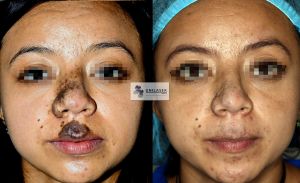
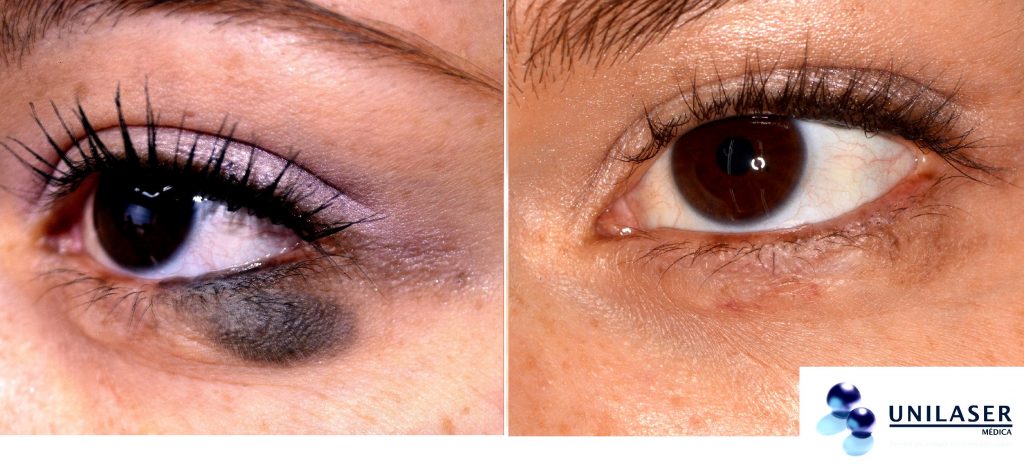
Congenital facial nevus treated with laser

What type of moles are the best candidates for laser-assisted removal?

  • Small and multiple moles, between 1-3 millimeters regardless of the area. The procedure is faster, often without the need for anesthesia, and scars are avoided.
  • Located in areas of technical difficulty for surgical resection: Auricles, free edge of the eyelids, nasal tip, philtrum, vermilions, eyebrows, etc.
  • Facial moles.
  • Pedunculated moles of the trunk. They are superficial, complete resection is not necessary.
  • Need to preserve hair (Scalp, beard, mustache).
  • Areas at risk of scarring due to closure tension: Auricles, eyelids, nasal dorsum.

Why is a laser used to cauterize moles?

Most small moles are superficial, which gives a better chance to an instrument that evaporates the outermost portions of the skin.

On the face, they typically have a dome-like appearance, are more elevated and deeper in the center; shallower and flatter at the edges.

The laser technique can be by vaporization or mole shaving.

The laser makes it possible to remove them by better visualizing their depth level because it controls micro-bleeding.

In shaving or vaporization techniques, mole residues may remain, which are treated months later with touch-ups.

When should laser NOT be used to remove moles?

When malignancy is suspected.

Can giant moles be removed with a laser?
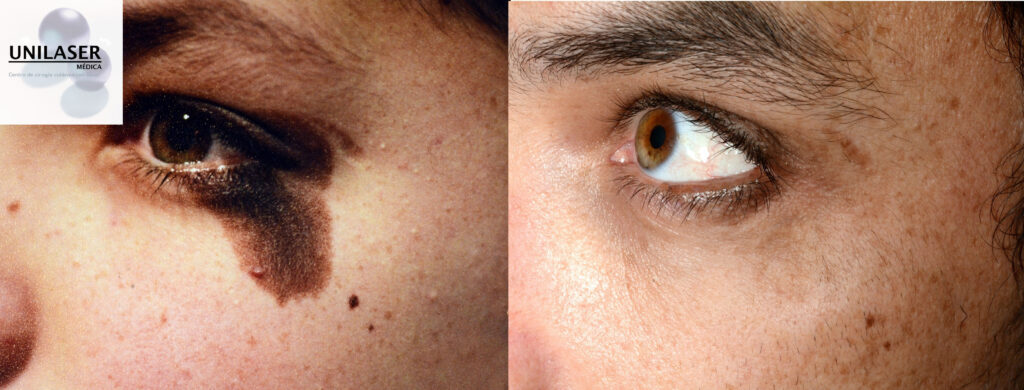
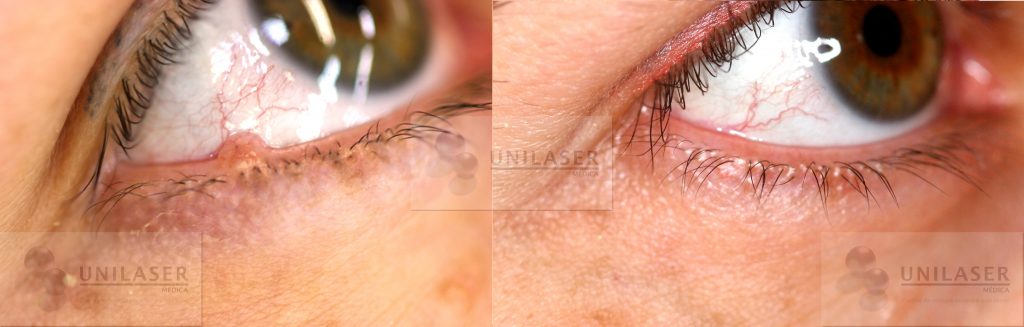
Palpebral conjunction nevus treated with laser
Congenital nevus of palpebral conjunction treated for a period of 8 years. Control photograph taken 18 years after treatment

Everything will depend on the healing.

It is only possible to reduce their size with sequential techniques.
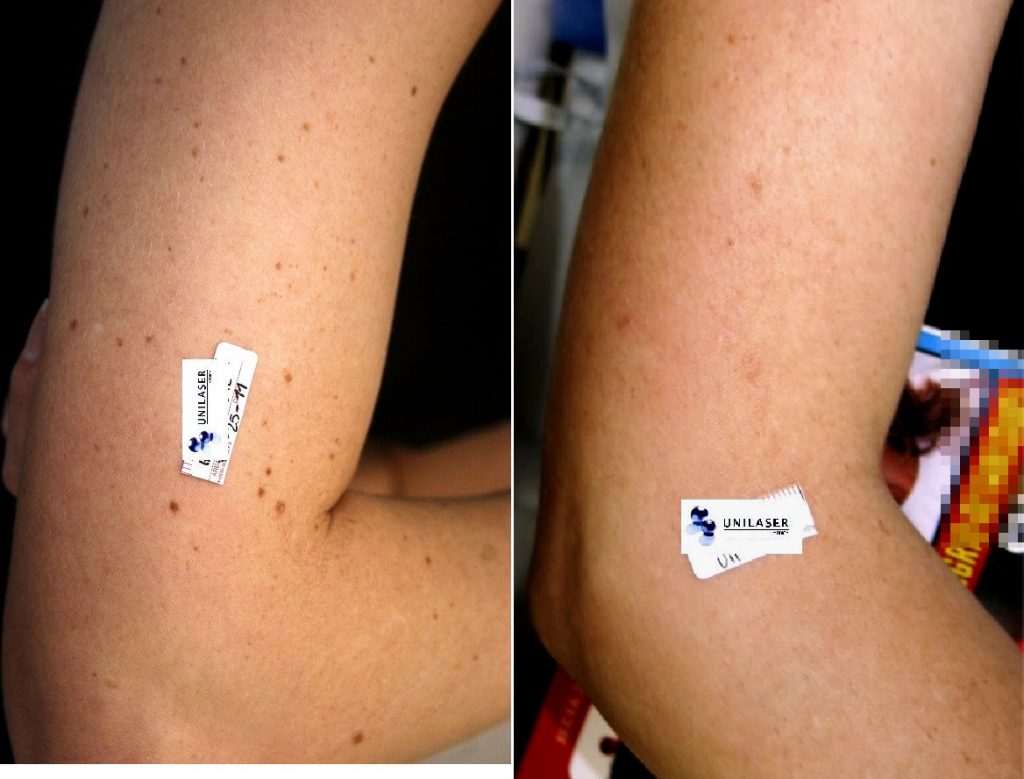
Result of vaporization of numerous moles on the arm
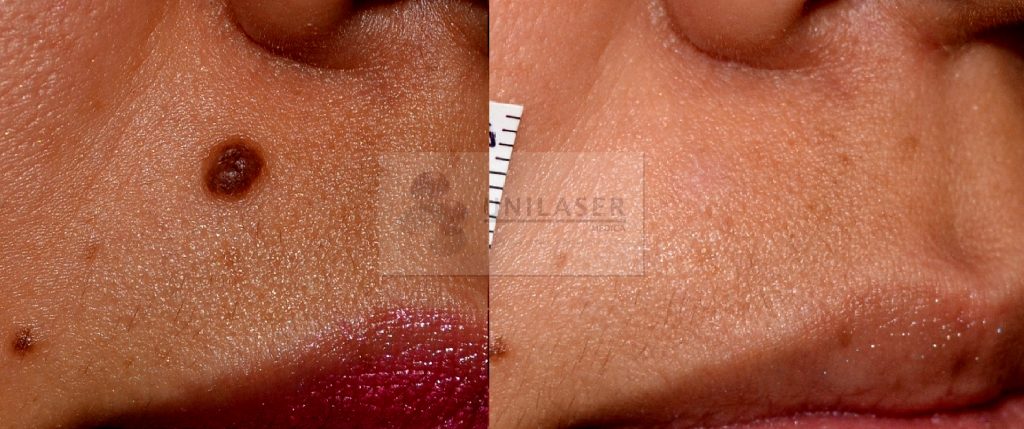
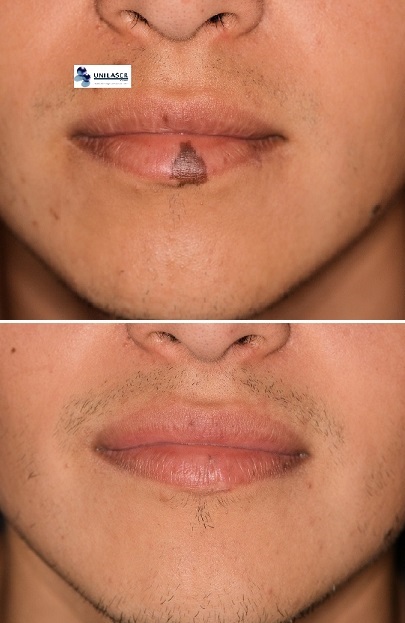
Miescher's nevus of the upper lip
Shaving of congenital nevus of the upper lip
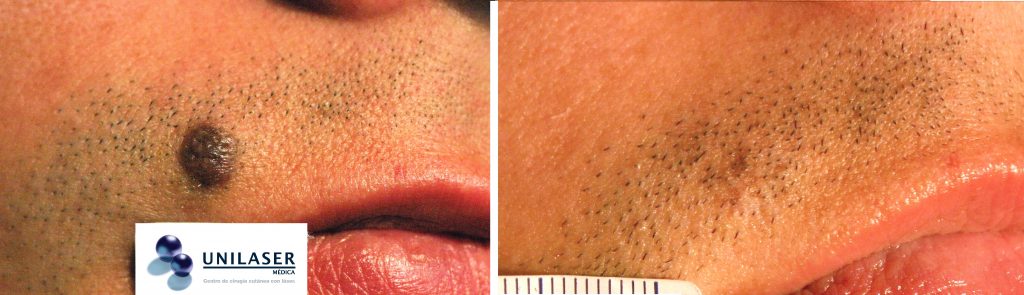
Laser shaving of mole on the chin avoiding scarring alopecia areas
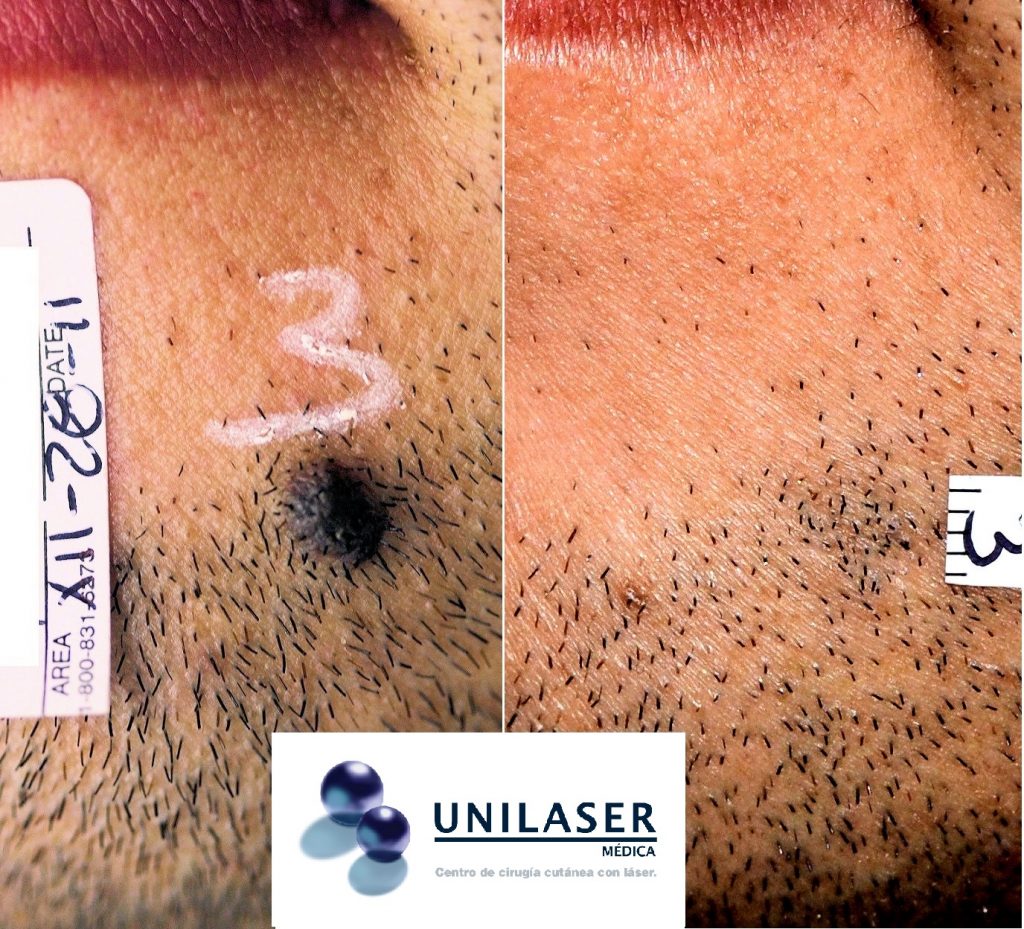
Laser shaving of moles on the chin avoiding scarring alopecia areas
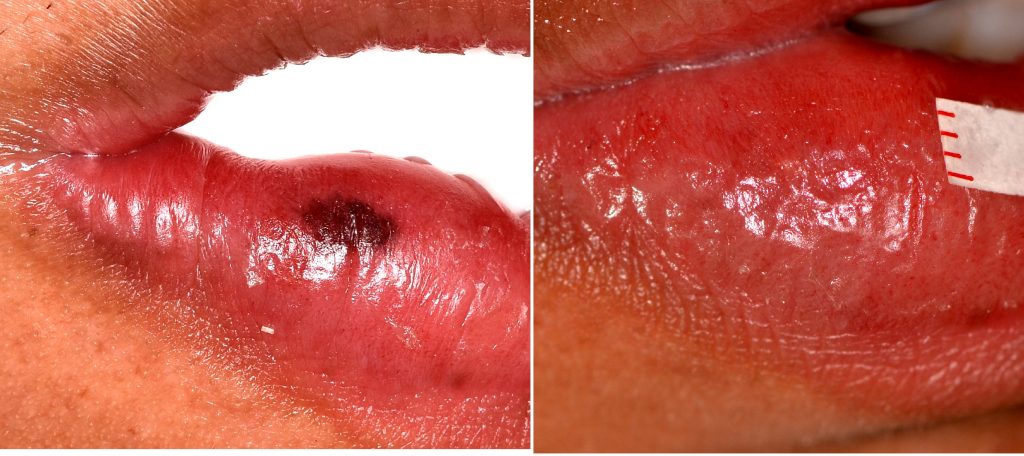
Laser vaporization only produced a slight change in the texture of the lower vermilion
Deforming incisions are avoided with the laser
With the laser, deforming incisions are avoided
Giant nevus of the lower eyelid treated with laser
Vaporization of congenital nevus of the lower eyelid
Another example of resection of a nevus from the free edge of the eyelid where surgical resection was avoided
Aesthetic scar post laser
Aesthetic scar after laser
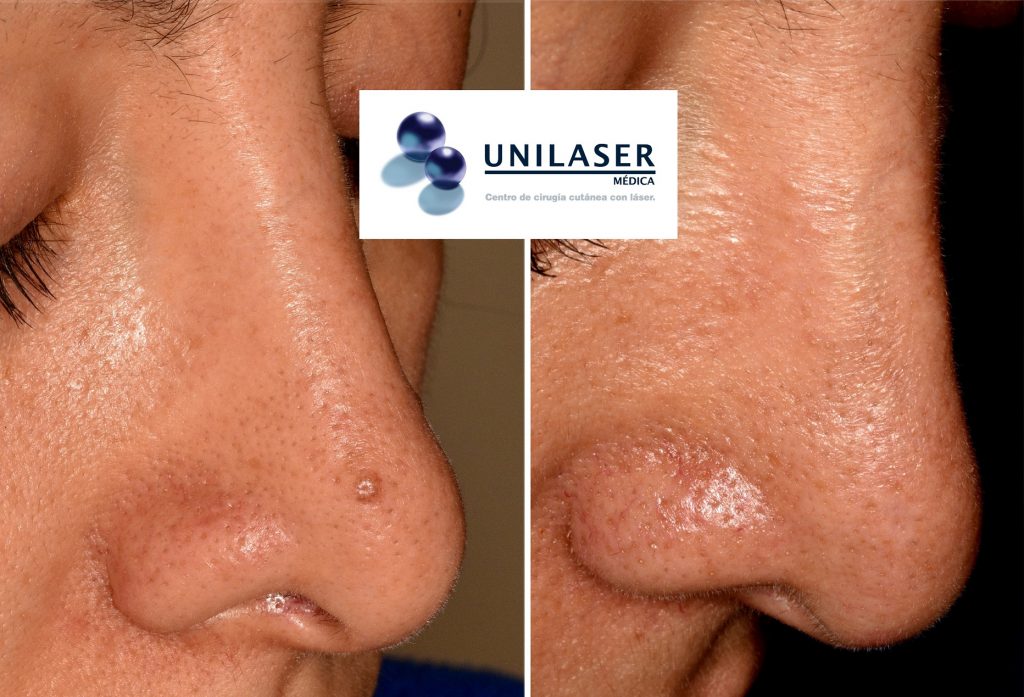
Note a small area with less pigmentation that is considered an aesthetic scar. The nasal tip is an area with limitation to laser shaves. Only the most superficial ones can be treated
Note a small area with less pigmentation that is considered an aesthetic scar. The nasal tip is one with limitation to laser shaves. Only the most superficial ones can be treated.
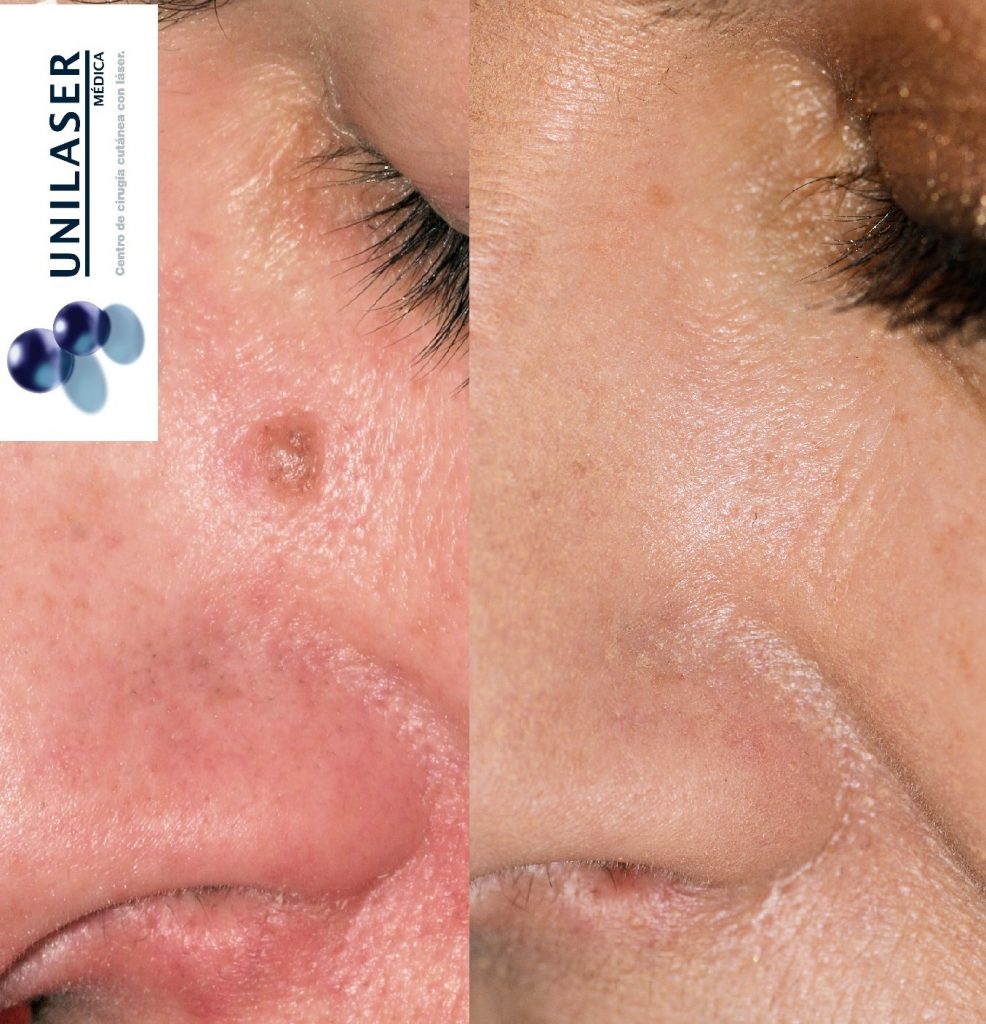
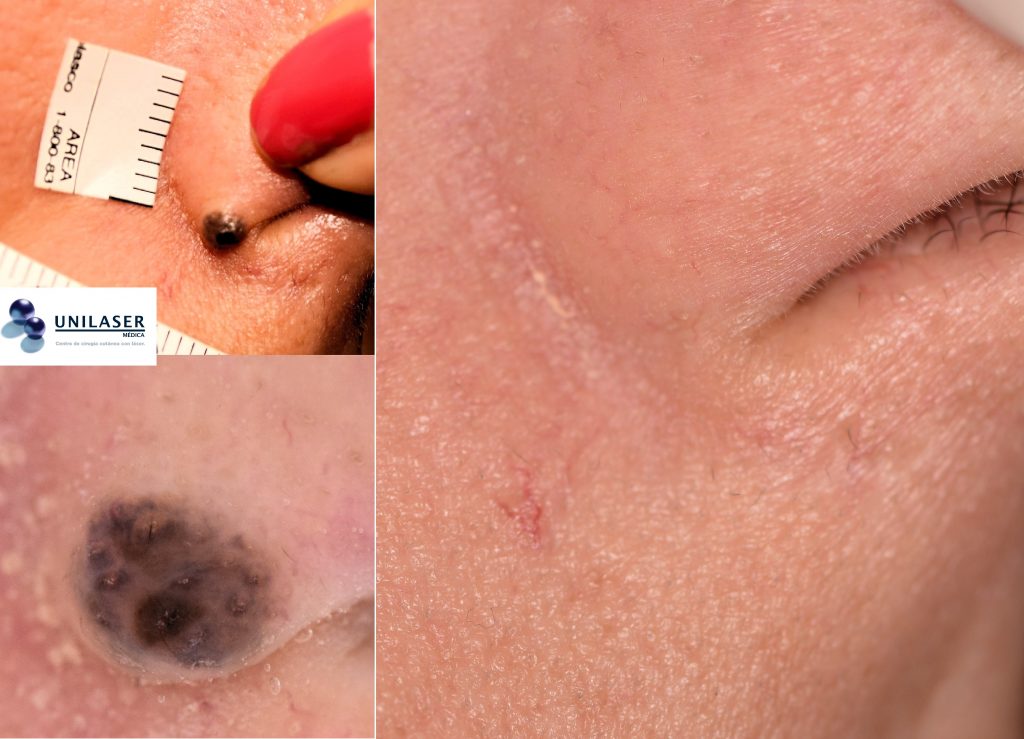
The nasal wing only supports the vaporization of superficial nevi
Acceptable aesthetic result in laser resection of a nevus of the nasal wing

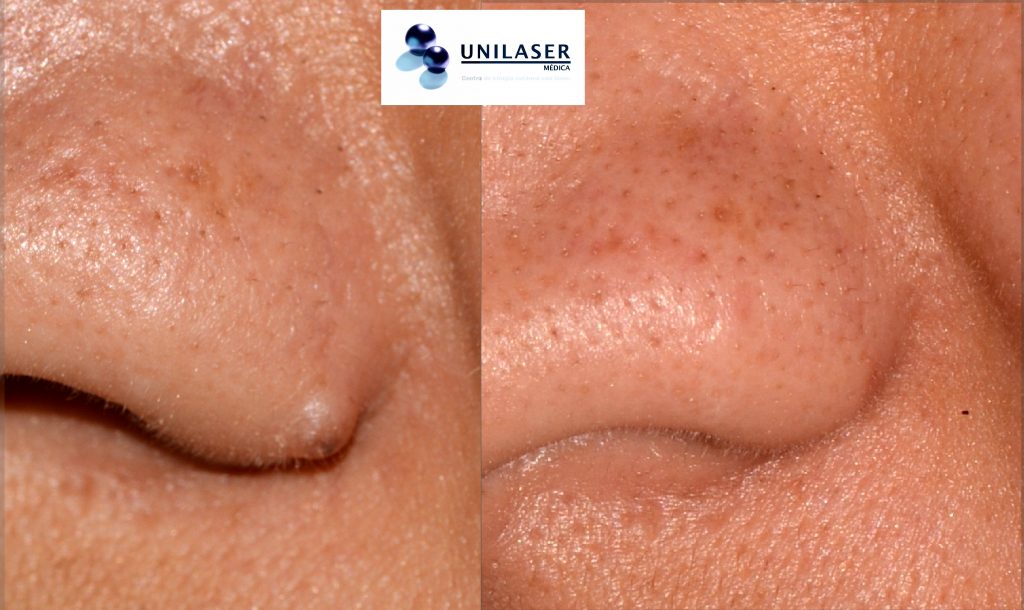
The nostrils, where surgical intervention is more difficult:
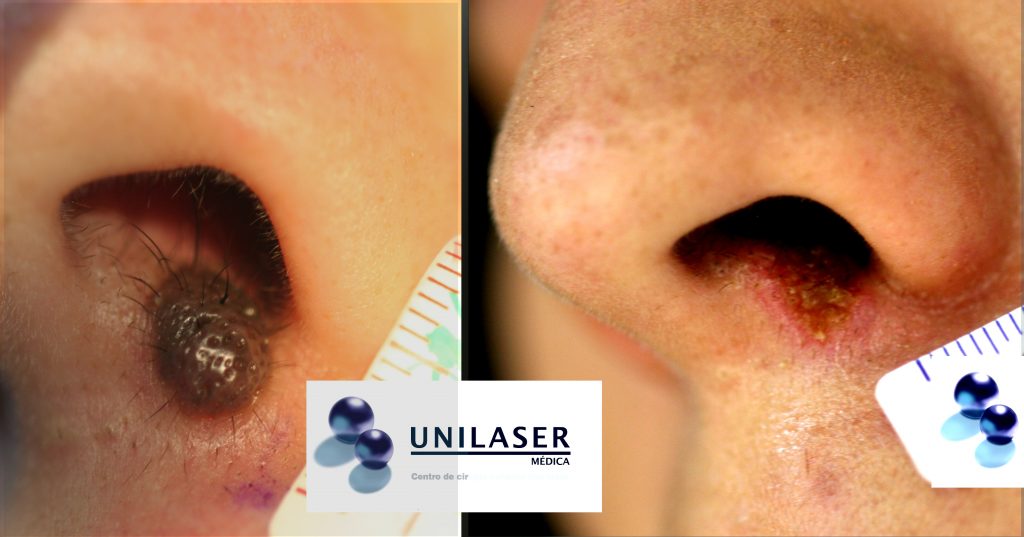
Nostrils
Recent postoperative laser shaving of nasal naevus. Scab is observed

The auricles, which offer special technical difficulties:
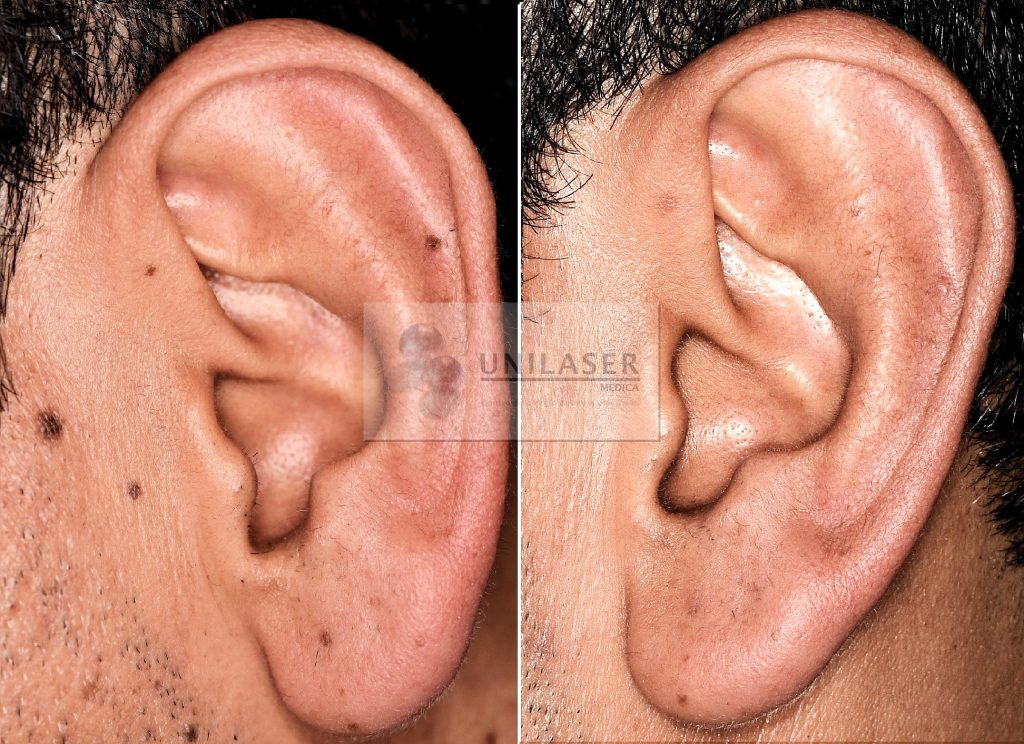
moles on ears
Multiple naevi of the auricle treated with laser
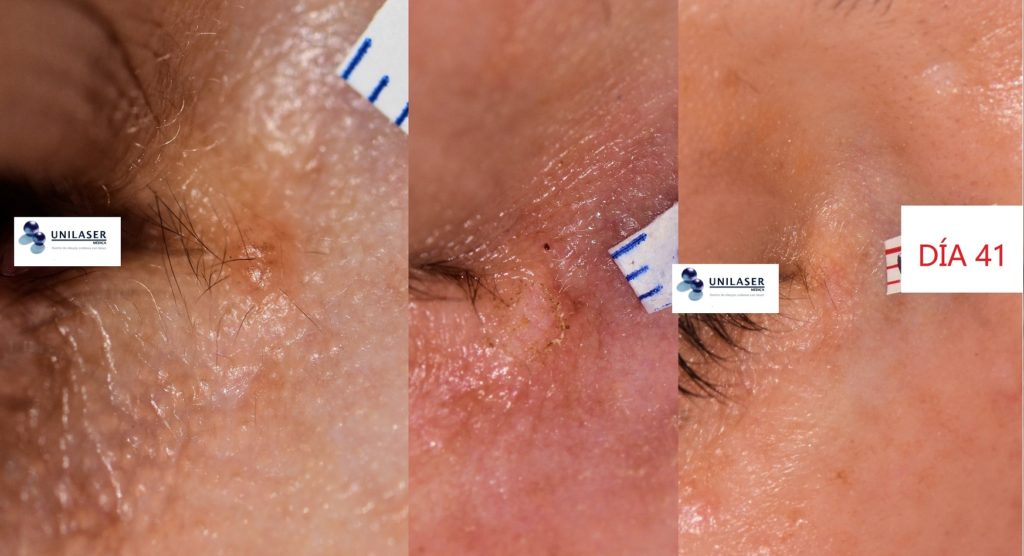
Intradermal nevus in front of the inner canthus of the right eye vaporized with Erbium-YAG laser A small depigmented area is barely noticeable in the second month
Melanotic macule of the lip treated with Erbium-YAG and carbon dioxide lasers. Local persistences are frequent. They were controlled over an observation period of 5 months.